




Mitigation means one thing: keeping the damage from getting any bigger. Repair is a different job. It is everything done before the repair to protect what is still sound. Our Alexandria crew mitigates a loss in four moves: control the source, extract the water, contain the wet zone and stabilize the building. When this stage goes right, there is less to rebuild afterward, occasionally nothing at all.
People often use mitigation and restoration to mean the same thing. They are two phases. The emergency stage is mitigation, where we stop the loss, keep it from spreading and stabilize the house. Afterward comes restoration, when dryness is verified and ruined flooring, drywall and finishes get fixed or rebuilt. Insurers treat them as separate line items too, so it helps to know which phase you are in.
On a standard mitigation call we work through four items. Source control, so no new water enters. Second is extraction, to clear out standing water. Containment, using plastic barriers and controlled airflow so moisture and contaminants stay out of clean rooms. Stabilization, which means removing materials that cannot be saved, treating surfaces with antimicrobial, and setting air movers and dehumidifiers. Furniture and personal items are protected too, either relocated or raised on blocks.
Our Water Damage Mitigation Process
Our systematic approach delivers quality results on every project. Here's what you can expect when you choose Alexandria Restoration:
Control the Source
We shut off the supply, cap the failed line, or tarp and board the opening where water is entering. Should a lasting fix require a plumber or a roofer, our team coordinates when that happens.
Remove Standing Water
Standing water is removed with pumps and extractors, and carpet and pad are checked. Getting bulk water out quickly does more to limit damage than any amount of drying equipment alone.
Contain Wet Areas
We isolate the affected rooms from the rest through airflow control and plastic barriers. This keeps humidity, dust and any contaminants from travelling through the house while work is under way.
Stabilize and Dry
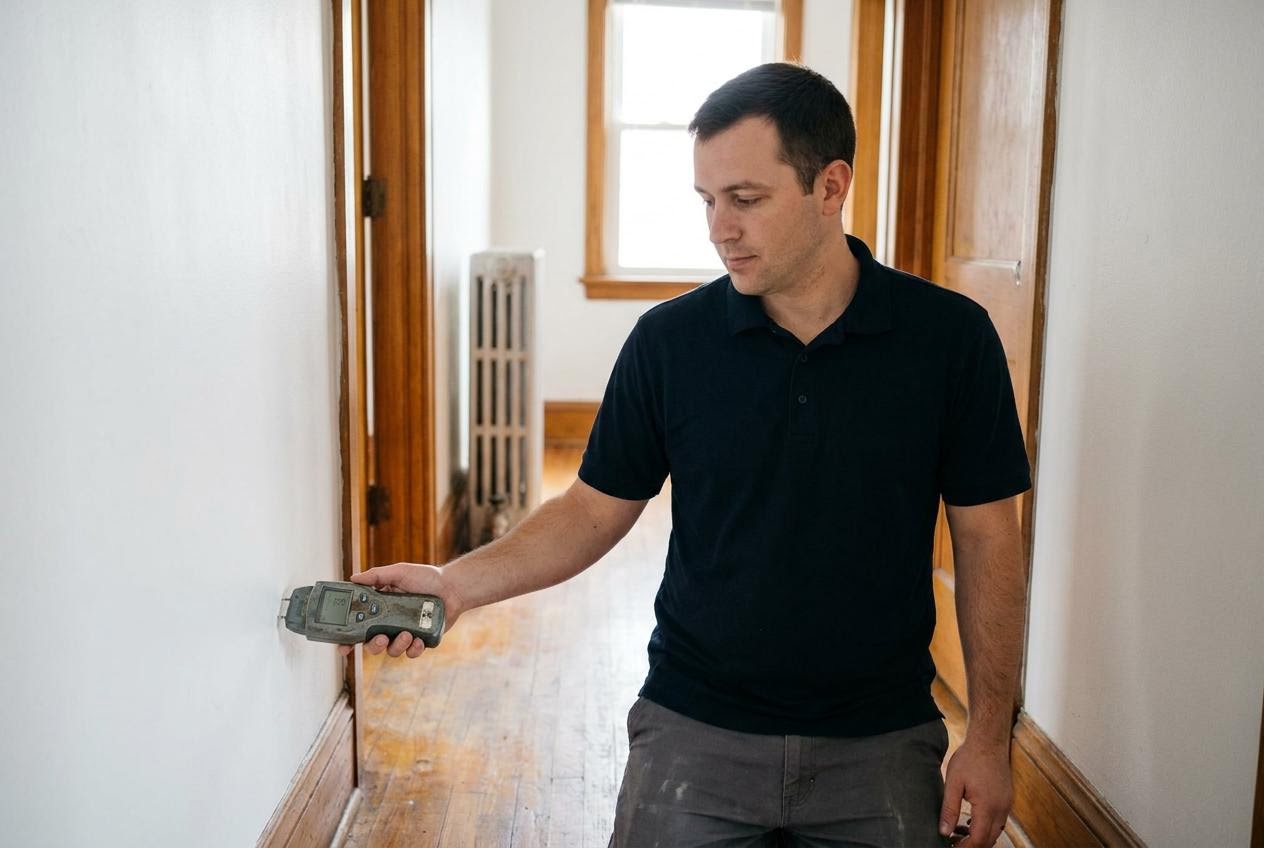
Materials past saving come out, an antimicrobial is applied to surfaces, and air movers plus dehumidifiers go in. Each visit includes logged moisture readings, and the structure is usually ready for repair work within 3 to 5 days.
Need Help With Water Damage Mitigation?
Get a free estimate from our expert team today.
Get Help: (916) 644-7220Comparing DIY and Professional Water Damage Mitigation
Some simple tasks are suitable for DIY, but most water damage work benefits from professional tools, training, and experience. Consider the following comparison:
| Factor | DIY Approach | Professional Service |
|---|---|---|
| Extraction | Mop, towels and a wet vac | Bulk water out with pumps, extractors |
| What stays or goes | Hoping wet materials recover | Readings decide what stays or goes |
| Stopping the source | Shut the valve and hope | Source confirmed, isolated and documented |
| Contaminated water | Household bleach where you can see | Category-specific antimicrobial applied |
| Insurance documentation | A few phone photos | Dated images and daily meter logs |
Why Hire a Professional for Water Damage Mitigation?
Fast decisions, one after another, are what mitigation consists of. What drywall stays and dries where it is, and what must be removed? Has the water shifted category since the leak started, and is it Category 1, 2 or 3 now? Does the cabinet toe kick need to come off? We answer those questions with training and moisture readings rather than by the look or feel of a surface.
Your insurance claim benefits from proper mitigation too. Owners are required by most policies to take reasonable steps against further damage, and the insurer will ask for evidence. On arrival we take photos, then log moisture readings every day and itemize whatever is removed. That file shows what the water did and what was done about it. Whoever handles repairs then begins from a known condition, and nothing wet ends up sealed behind new wallboard.
Warning Signs for Water Damage Mitigation
Recognizing the warning signs early can save you time, money, and prevent significant damage to your property. Watch for these telltale signs that professional help is needed:
- A leak has been stopped but floors, walls or cabinets are still wet.
- The house feels muggy and window glass is wet with condensation since the leak.
- Bathroom or kitchen cabinets are sitting over water that cannot be reached to dry.
- Wet materials have sat for a day and a musty smell is starting.
- Underfoot the carpet is spongy because the padding below holds water.
- Your insurer has told you to take reasonable steps to prevent further damage.
- An opening in the roof or at a window lets rainwater enter the building.
Act Before It Gets Worse
Many water damage problems start small but can escalate quickly into costly emergencies. Call Alexandria Restoration at (916) 644-7220 at the first sign of trouble.
Questions About Water Damage Mitigation?
Our experienced technicians can assess your situation and recommend the best solution.
Get Help: (916) 644-7220Water Damage Mitigation Prevention Tips
A little prevention goes a long way in avoiding expensive restoration emergencies. Here are our expert recommendations:
- Have an automatic shutoff fitted, so the main closes itself once a leak is sensed.
- Leave the heat on during winter trips so the plumbing cannot freeze.
- Trade rubber washer hoses for braided steel, and renew them roughly every five years.
- Slope the soil away from the house so rainwater does not pool against the walls.
- Find the main water valve and make sure it has not seized.
- Schedule an annual water heater inspection and swap the unit out before its tank gives way.
Frequently Asked Questions About Water Damage Mitigation
Talk to a Water Damage Mitigation Expert
Don't let water damage problems get worse. Call Alexandria Restoration now for prompt, professional service.
Call (916) 644-7220 Now